About / approach
Operational reality first. Technology in service of the system.
My approach was shaped by real-world operations: environments where constraints, sequencing, safety, accountability, hand-offs and failure are not abstractions.
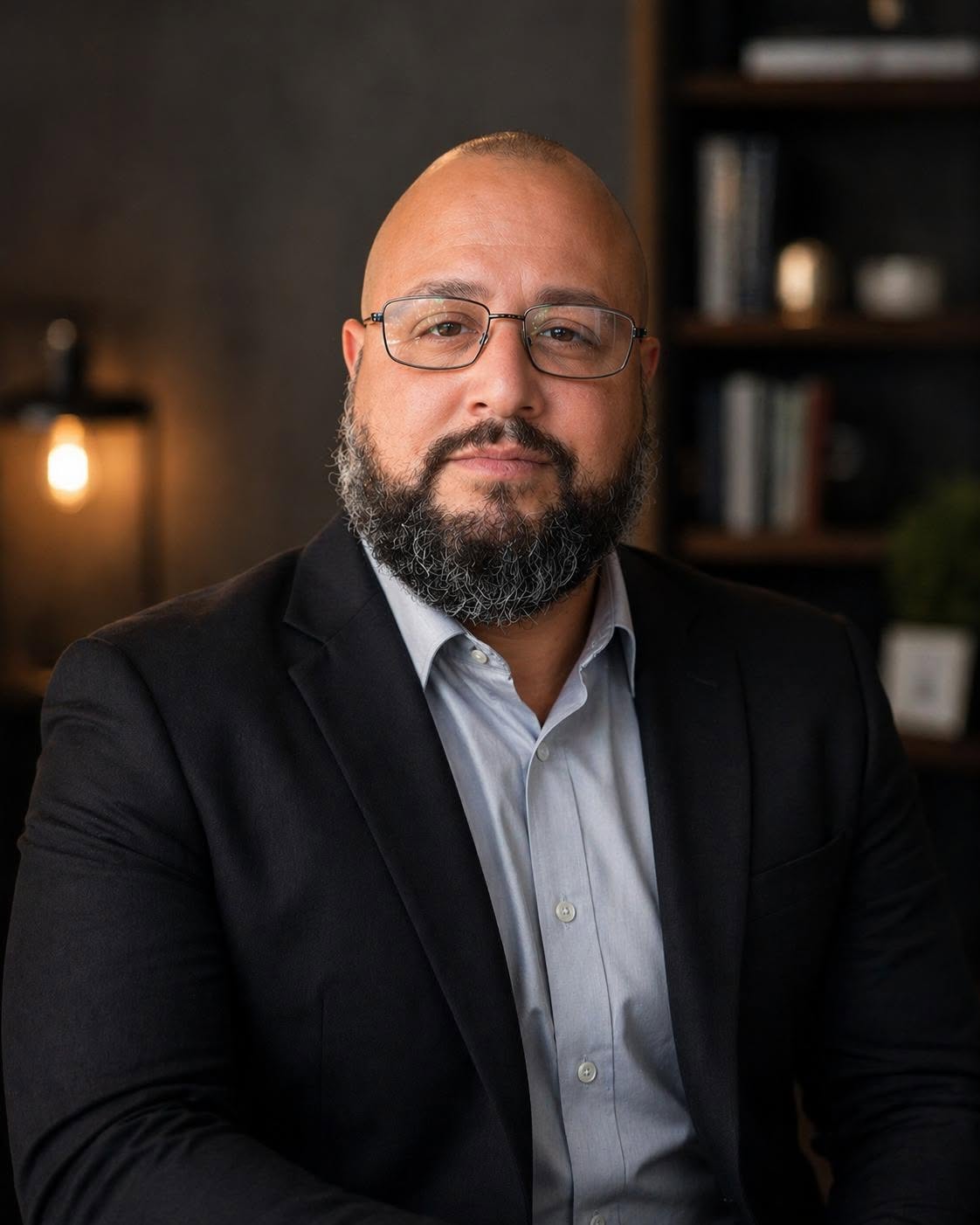
Professional context
Before joining AX4, I spent time in Brisbane studying cybersecurity and undertaking hands-on technical labs and training. That experience helped develop a practical interest in how systems behave, how boundaries fail and how evidence changes what you think you know.
I joined the family business, AX4 Consultants, in early 2025. My father founded AX4; my role has been to help progressively digitise operational workflows and move deeper into AI systems, local models, governed automation and technical orchestration.
The common thread is translation: taking an ambiguous operational problem, finding the real sources of truth and authority, then structuring technical work so that it can be tested, explained and accepted deliberately.
Build to Understand
Hold
Keep the macro direction visible.
Isolate
Find the unknown that matters most.
Bound
Define the smallest useful proof.
Build
Implement or integrate within that boundary.
Observe
Inspect actual behaviour and returned evidence.
Reshape
Let verified reality inform the architecture.
Learning & authority
Proof changes understanding. Not permission.
A useful proof reduces uncertainty. It may show that an integration works, that a model can satisfy a contract or that a recommendation is reproducible. It can legitimately change the design.
But a successful proof does not grant itself authority to operate beyond an approved boundary. Capability and permission remain separate. Consequential action requires explicit human authority, appropriate controls and evidence proportionate to the risk.